Category Archives: food

“Time to sell the doughnuts”

donutsMayflower796Doughnuts are a food that has rarely been taken seriously by the media. After encountering loads of silly stories about doughnut holes and dunking I have decided the reason is that throughout the last century the doughnut industry was amazingly successful in promoting its products, often through humor. Most of what appeared in papers and magazines was the work of publicity agents for the manufacturers of doughnuts, equipment, and mixes.

No doubt people would enjoy doughnuts even without publicity, but the endless promotional events and stories helped make their consumption year-round rather than concentrated in fall and winter.
donuts1939World'sFair

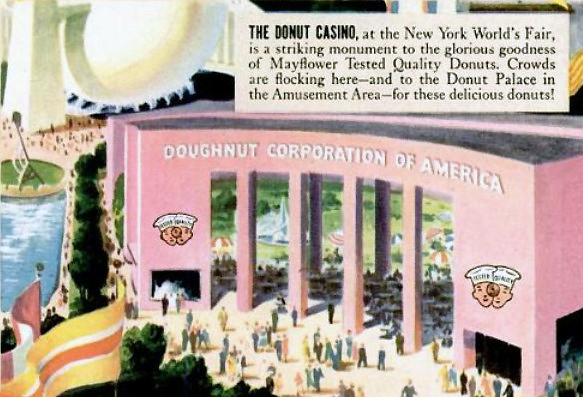
Starting in the 1930s the publicity directors of one of the largest producers, The Doughnut Corporation of America, organized dunking contests, created a National Dunking Association, sponsored displays at World’s Fairs [1939 advertisement shown], and planted photos of celebrities eating doughnuts in newspapers and magazines along with cartoon-illustrated stories such as one about a character named “Ima Dunker.”

One of the corporation’s publicity directors claimed that doughnuts were the first food to have a week proclaimed for it. National Doughnut Week began in the 1930s. To the annoyance of some who felt it was frivolous, mayors of cities and towns around the country would receive a kit with a membership card for the National Dunking Association and a bib along with a request to proclaim doughnut week.

The Doughnut Corporation of America grew out of a small baking business in NYC owned by Adolph Levitt. He is often credited with inventing the first automatic doughnut machine in 1920, but in fact there were numerous machines on the market then as well as in earlier years. Doughnut making machines were popular with bakeries and lunch rooms which placed them in their windows so that people on the street could see the (cake) doughnuts being made and feel drawn to buy some. But Levitt was clever and soon his rapidly growing company was supplying the whole country with machines as well as Downyflake doughnut mix, and backing it all up with publicity support.

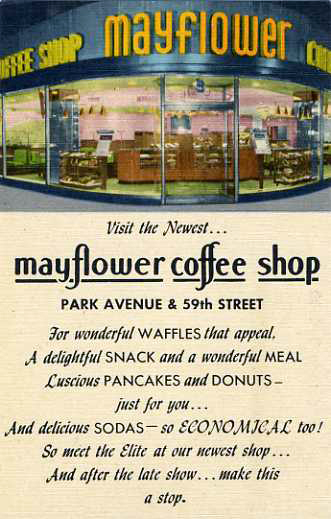
donuttimessquaremenu1949In 1931 the Doughnut Corporation created a Mayflower Coffee Shop in Times Square. It was followed by one each in Boston and Chicago the next year, and another in Springfield MA in 1934. By 1936 there were 15 around the country, and in 1949 there were 24. The Mayflower Shops menu featured popular dishes such as Hamburgers, Corned Beef Hash, and fountain specialties, but also Waffles (the company made waffle mix too), Pancakes, and of course Donuts (as they came to be spelled). Plain, sugared, and cinnamon donuts cost 5 cents each in 1949, 10 cents for a frosted donut, and a Donut a la Mode came to 15 cents.
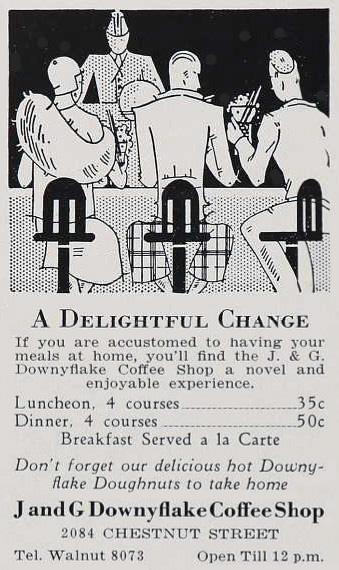
donutdownyflakeADV1932The Doughnut Corporation also franchised Downyflake Shops. In 1931 there were 36 in Boston and surrounding towns in eastern Massachusetts, out of a nationwide total of about 400. They appear to have been sandwich shops for the most part, but some may have only sold doughnuts. The Doughnut Corporation also built doughnut plants around the country. A plant in Fort Worth TX in 1932 produced an important doughnut ingredient, dried egg powder, a product which had for decades come exclusively from China.

I am unsure how long the Doughnut Corporation’s restaurants stayed in business, however by the mid-1970s the company, now DCA Food Industries, still produced doughnut making equipment. By then the doughnut-plus-coffee shop business was led by Dunkin Donuts (750 franchises) and Winchell’s Donut House (530 units).

© Jan Whitaker, 2014
12 Comments

Filed under chain restaurants, food

Once trendy: tomato juice cocktails

eutawhouse

Recently I acquired a 1947 menu from the Algonquin Hotel of “round table” literary fame. I noticed that one of the appetizers was tomato juice and I thought to myself how commonplace a selection that once was and how rarely it is seen today.

No doubt there are restaurants that still have it on the menu – nothing really ever goes away totally. It reminds me strongly of an old standby restaurant in Massachusetts that closed about ten years ago. I was fascinated by the quaint metal contraptions on each table holding little pots of appetizers such as cottage cheese, olives, and pickles. There must have been tomato juice on the menu, too, despite it being decidedly out of style by then.

I was so convinced that tomato juice was hopelessly unimaginative that I was taken by surprise when I did a little research and discovered that it was considered a fashionable snob drink in the 1920s and 1930s. It came into vogue in the 1920s along with other good-for-you foods such as Melba toast, cottage cheese, pineapple, and sauerkraut juice. Women’s magazines touted it as smart, healthful, and perfect for anyone wanting to lose pounds just like a Hollywood movie star.

It is said that a chef at the French Lick resort hotel in Indiana introduced tomato juice to  American diners in 1917. It MIGHT be true that he was first to serve it in a public dining room – it does not seem to appear on American menus prior to World War I. However tomato juice was well known and available in cans in the 19th century so he clearly did not invent it (as is often reported).

A tomato juice cocktail could be made by the addition of tobasco sauce, paprika, sauerkraut juice, clam juice, etc. Mix well, shake until foamy, and pour over crushed ice. Restaurants tried all sorts of combinations. The Wrigley Building Restaurant in Chicago came up with clabbered tomato juice which was tomato juice mixed with a goodly amount of cottage cheese. Denver’s Blue Parrot Inn blended orange and tomato juices, while The Colony in New York mixed clam and tomato.

tomatojuice

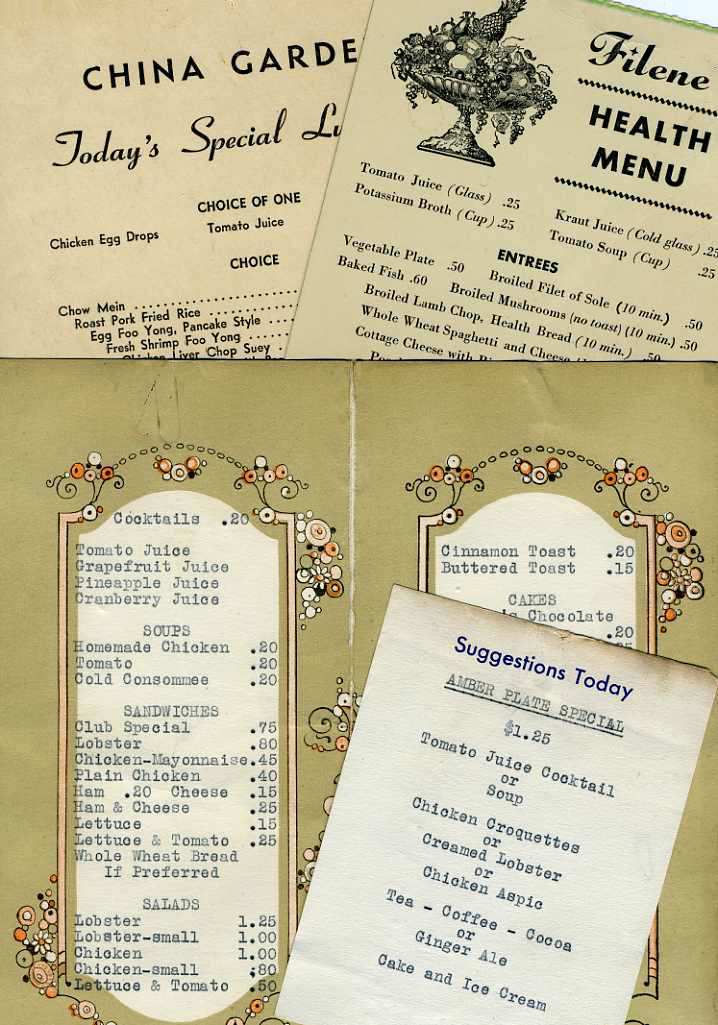
Although tomato juice could be found on menus of all kinds of eating places, even Chinese-American restaurants, it tended to be an appetizer favored by those who eat luncheon, not lunch. It was especially popular in restaurants that appealed to women then such as tea rooms, quaint inns, and department store restaurants. [illustration shows portions of menus from China Garden, Filene’s department store, and Willow Tea Cottage]

Arriving on the scene as it did during Prohibition, tomato juice clearly served as a non-alcoholic cocktail. Non-drinkers appreciated it, as did serious imbibers who had overdone things at their neighborhood speakeasy. It was a well known morning-after tonic continuing into the 1950s (and perhaps the present). In 1939 a restaurant in Shawnee OK allegedly served a “hangover breakfast” of tomato juice with hot sauce, soft-boiled egg, whole wheat toast, coffee, and two aspirins.

Tomato juice was so popular by the mid-1930s, both in homes and restaurants, that government scientists were said to be working on disease-resistant tomato varieties that would yield more juice. But by the 1980s it was considered an appetizer totally lacking in sex appeal, analogous to vanilla ice cream as a dessert. But, who knows? It could make a comeback. Tomato and kale juice cocktails?

© Jan Whitaker, 2014

28 Comments

Filed under food, restaurant customs

Basic fare: shrimp

Shrimpjumbo60sLARecently I heard that a shortage of shrimp due to disease is causing prices to shoot up. I stopped to wonder how long shrimp had been on American restaurant menus. I could find no instances before the Civil War.

Americans have probably been eating shrimp at home for centuries but shrimp didn’t make a splash in American cookbooks until after the Civil War when they became available in cans. Shrimp salad, usually whole shrimp piled up on lettuce with a mayonnaise dressing, became something of a delicacy that was especially popular with women. It began to show up on hotel menus as well.

shrimpcocktailShrimp cocktail, not really so different than shrimp salad, became a staple of banquets in the early 20th century. Instead of mayonnaise a cocktail sauce was used; it was similar or the same as oyster sauce and based on catsup with ingredients such as lemon or vinegar, tabasco or Worcestershire sauce, and horseradish added to give it zing.

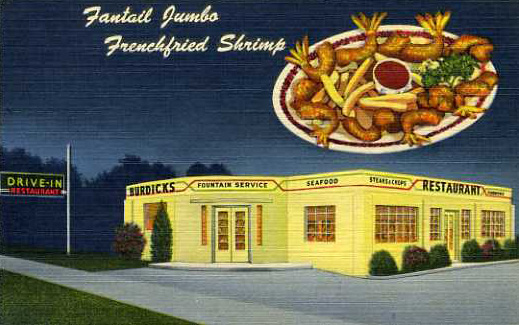
Fried shrimp seems to have become a menu item in the early 20th century also, but breaded, deep fried shrimp did not make its big debut until after World War II when pre-cooked frozen shrimp,  plain or breaded, came on the market. Then shrimp dinners, relatively cheap because the breading could cover less desirable specimens, became available everywhere, even in many drive-ins.

shrimpBurdick'sDrive-InSt.Petes1952

Until the advent of frozen shrimp, shrimp cocktail and fried shrimp were found most often on  menus of restaurants in the Gulf states and California. In the late 19th and early 20th century locally caught shrimp were so plentiful in San Francisco that it was the custom for restaurants to present diners with a free plate of shrimp to nibble on before their meal was delivered.

Importation of shrimp from Mexico and India began in the early 1950s, but evidently it took some time before prices went down. Shrimp cocktail remained a minor luxury for many people through the 1960s. The cost of shrimp was high enough in the mid-1950s to make the theft of frozen shrimp a serious issue for New York’s Mamma Leone’s, which lost thousands of dollars worth of $1.12/lb shrimp to a ring of thieves. The thieves turned out to be a pantry man colluding with garbage collectors who resold the shrimp to other restaurants.

In today’s dollars Mamma Leone’s shrimp cost close to $10/lb, but in actuality prices are much lower than that now due to shrimp farms in Asia and Ecuador that supply most of what Americans eat in restaurants.

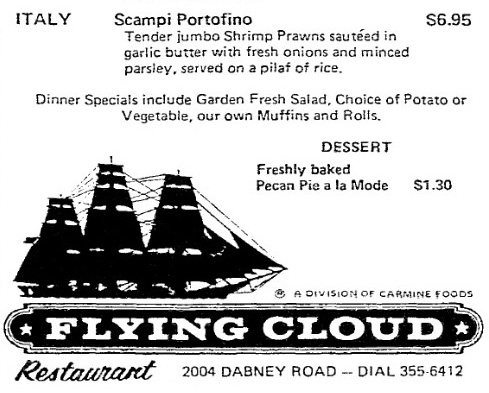
shrimp1977RichmondVAOne last note, on the distinction among shrimp, scampi, and prawns. This could launch a long discussion about how many species of shrimp there are, what they are called in various parts of the world, etc. But for all practical purposes, in standard menu-ese scampi, often given as “shrimp scampi” on menus, refers to shrimp cooked in butter and garlic and prawns or very large or “jumbo” shrimp. Sometimes the terms are bizarrely combined on menus. The finest example of this I’ve seen was a 1977 Richmond VA menu partially shown above. For an International Seafood Festival it offered an Italian special called Scampi Portofino which was described as “Jumbo Shrimp Prawns.” I guess those were really, really big shrimp-style shrimp.

© Jan Whitaker, 2014

7 Comments

Filed under food

Interview: who’s cooking?

whoscookingRecently I interviewed someone who had cooked in a 24-hour restaurant located on the outskirts of a small Midwestern town in 1970.

He worked there one summer. He was the sole night shift kitchen staff from 10 pm to 6 am. Previous experience? One week as cook at a children’s summer camp the previous year.

He was 16 years old.

Although he gave it little thought at the time, he now suspects the restaurant was designed, owned, and operated by the food processing company that supplied the food, the menus, the “recipes” – in short, everything. Follow-up research revealed that the company supplied 1,500 restaurants, schools, and institutions in four states.

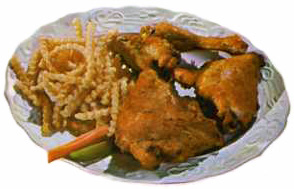
DIchickenThe building was new and blandly modern. It was surrounded by a parking lot. Through a big plate glass front window was a view of an interior with booths, formica-topped tables and chairs, and a counter with stools. The decor, as he remembers it, contained multi-colored hanging lights, fake stone, and grill work in a coordinated style he calls “corporate.” About 60 people could be seated. At night, except right after the bars closed on weekends, there were rarely more than a dozen patrons at any one time.

Most of the night customers were working men, traveling salesmen, work crews, people passing through town. It wasn’t much of a local hangout, unlike the bowling alley restaurant at the other end of town. It served no alcohol.

Was there a chef at this restaurant? Answer: prolonged laughter. The manager had preprinted forms on which he checked off what supplies were needed.

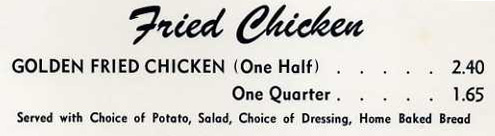
DIshrimpA popular order, particularly with the barflies, was steak and eggs ($2.50 with toast and coffee). Eggs were one of the few items of fresh food in the kitchen other than lettuce and tomatoes. “Everything was frozen so once you knew how to deep fry it or put it in the Lytton [microwave] oven, you were set,” he said. This included pies (“Served Hot from Our Electronic Ovens”), Cordon Bleu, Breaded Pork Tenderloin, Golden Fried Chicken, and Fillet of Perch. Potato Salad came in a tub, Soup of the Day in giant cans. Hard boiled egg came in a long tube so that every slice was the same. Home Baked Bread? Well, I think you know.

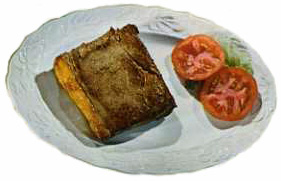
DILogoThe food  images shown in this post are stickers applied to the restaurant’s menu before the entire thing was plasticized. I take them to be generic, as I do the meaningless logo from the menu’s cover which looks like it was intended for a “steak & ale” eatery.

With some orders he got to do what he considered “actual cooking”: “Liver and onions. You have to make the bacon and onions – that was actual cooking. Denver omelet, that was actual cooking.” He enjoyed making sandwiches at the deli counter. One of his personal favorites was the Denver Sandwich — chopped ham, pickle, and scrambled egg made in a patty and served on toasted bread. He also enjoyed cottage cheese and pineapple.

DIsteakDiners rarely sent food back to the kitchen. “It’s amazing how many different kinds of food that a 16-year old could cook and not ruin anything. I was feeding a lot of people with a lot of liability and it didn’t go wrong,” he said. The manager criticized him for one thing only: giving customers too many french fries. Limit them to a handful, insisted the manager. So he garnished the plates with parsley and “Never got in trouble for using too much parsley.”

DIFriedChicken

Despite all, he had surprising praise for his old workplace, saying, “I was impressed with the efficiency of the kitchen. It was easy to work in. I liked that there was a ready supply of clean linens.” He added, “There were not many dining establishments. Before Applebee’s this filled a niche. It was more ambitious food than people had access to before.”

Did he ever return there as a customer? “No,” he said, “I had no warm fuzzy feeling for the place.”

© Jan Whitaker, 2014

7 Comments

Filed under food, proprietors & careers

Back to nature: The Eutropheon

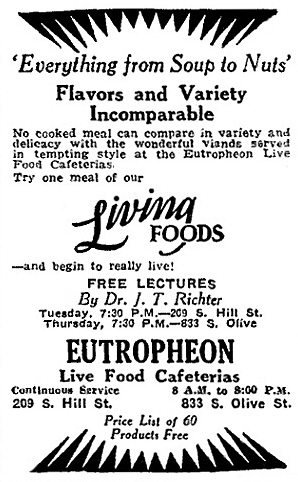
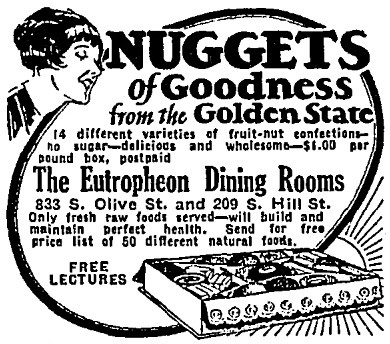
rawfoodeutrophean1928Last week’s post on a recipe from The Aware Inn, an early natural food restaurant in Los Angeles, took me back to founder Jim Baker and his adventures with the Nature Boys. I learned that some of the members of this group, who lived in the woods, dressed like Tarzan, and ate natural foods, worked at a Los Angeles raw food restaurant called The Eutropheon.

Just by its name, readers might suspect it was more about spreading the gospel of raw food diets than an ordinary money-making commercial eating place. They would be right.

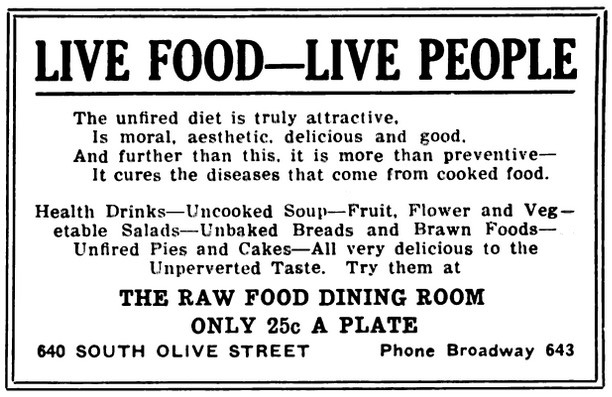
rawfoodTheNewJusticeJune11919A raw food restaurant, not yet named The Eutropheon, but very likely run by Eutropheon founders Vera and John Richter, was established in Los Angeles in 1919. It was evidently affiliated with, or at least sympathetic to, The New Justice, a short-lived publication dedicated to defending the Russian revolution [the 1919 advertisement here appeared in the magazine]. A story in the Los Angeles Times reported that the restaurant played Hawaiian music on a phonograph, distributed a leaflet called “The Truth About Russia,” and displayed a copy of the Soviet constitution along with a portrait of American socialist leader Eugene Debs. Its menu included uncooked soup, fruit and flower salads, and unbaked breads and pies.

In 1920 the Raw Food Dining Room had a new Los Angeles address, 326 W 2nd. In 1922, there was a Raw Food Dining Room, now called The Eutropheon, in Long Beach CA, as well as in Los Angeles at 927½ W 6th. How many of these were open at the same time is uncertain. There was also a Vegetarian Cafeteria on Figueroa serving “A complete line of Cooked and Raw Foods,” but this must have been run by someone other than the Richters since they were never known to serve cooked food. A Eutropheon cropped up in San Francisco in 1926, at 574 California Street. In 1928 the Richters had two Eutropheons in Los Angeles, one at 209 S. Hill and the other at 833 S. Olive.

There appear to have been very few raw food advocates in the United States, and almost no restaurants (until relatively recently), making the Richters pioneers. There were, however, some raw food enthusiasts in the US prior to The Eutropheon. Plans were laid by the Chicago Raw Food Society to open a raw food restaurant there around 1900 or 1901, but it’s unclear if it ever materialized. In 1907 a group in New York City held a raw food banquet at a hotel there. There was also a group in Cincinnati in the early 1920s.

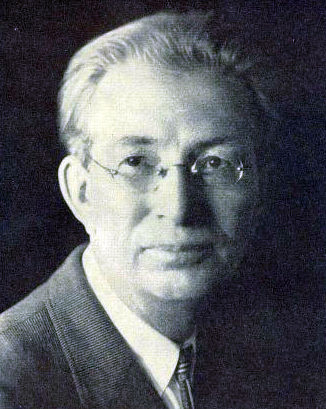
rawfoodJohntrichterJohn T. Richter, as he was known in Los Angeles, had come to the city around 1918 or 1919, opened a raw food restaurant, and began lecturing on the benefits of that diet and other aspects of natural living. When and how he met his wife Vera is unknown as is anything about her background, but she seems to be a key figure in the raw food movement in Los Angeles. Judging from her 1925 cookbook Mrs. Richter’s Cook-less Book, she may have developed many of the recipes for soups, salads, grain and nut dishes, and desserts that were served in The Eutropheon.

RawFoodVeraRichterBefore coming to California, Richter was known as Theophilus J. F. Richter. At least 20 years older than Vera, he was born of German immigrants in Illinois in 1864, grew up in North Dakota, and earned a diploma sometime in the late 1880s or the 1890s in “Swedish movement cure” in Chicago, probably from the Folke-Kjellberg Institute. He married a woman named Violet in Chicago in 1891 and they had three children. After living in Fargo for several years, the family moved to Minneapolis and Theophilus obtained a degree as a naturopathic physician. Evidently he adopted a raw food diet around 1911 after taking classes with Chicago doctor George Drews. He still gave his address as Minneapolis as late as 1917.

The Richters received quite a bit of publicity for their restaurant from Los Angeles naturopath and gymnasium owner Phillip Lovell. Lovell also had a radio show and wrote the “Care of the Body” column that appeared in the Los Angeles Times in the 1920s and 1930s espousing alternative medicine and health regimes. Declaring himself a regular patron of the Richter’s restaurants, Lovell wrote in 1928, “To my knowledge, these are the only two restaurants in the country that function without the aid of a cookstove.”

rawfoodrestaurant1926Why Lovell’s career and The Eutropheons attained success in California is an interesting question. It’s doubtful the Richters got rich but the fact that their restaurants survived for about 20 years is surprising given that raw food restaurants were found nowhere else at that time. As for Lovell, he amassed enough money to commission architect Richard Neutra to build the first steel-frame ultramodern house in the US. It was completed in 1929 and contained a full-size gymnasium. I suspect that the reason California was such fertile ground for health and fitness gurus had something to do with the large number of people, especially the elderly, who vacationed or moved there from the Midwest hoping the climate would cure their ills.

Sometime in the late 1930s it appears that the Richters turned over The Eutropheon at 833 S. Olive to Milan Geshtacoff who had once been a kitchen worker there. How long it stayed open and what the fate of the S. Hill street location was I don’t know.

© Jan Whitaker, 2014

14 Comments

Filed under alternative restaurants, food, proprietors & careers

The Swinger

JackLalanneI published a recipe for The Aware Inn’s famed sandwich “The Swinger” some time back. But now I have a new improved version, thanks to Isis Aquarian, one of the members of Jim Baker’s commune when he was a spiritual leader named Father Yod. She was one of his 14 wives, as well as the commune’s historian and archivist. (A 2012 documentary film and book about the Source family commune is available.)

This recipe, which is superior to the one I found earlier, was published in the late fitness teacher Jack LaLanne’s 1962 book Abundant Health and Vitality after 40. Isis was hunting for an authentic recipe for the sandwich and was steered in the right direction by Jack’s son Dan (shown below in a recent photo with Isis). I can see that the proportions make more sense and that the eggs, missing previously, would be needed to hold it all together.

isisANDdanAccording to Isis, Jack LaLanne was not much of a restaurant goer until Jim Baker and his wife opened up The Aware Inn. He became a frequent visitor, along with many other health-conscious Hollywood celebrities such as Ed “Kookie” Byrnes of the TV show Seventy-Seven Sunset Strip.

Jack and Jim had known each other even before Jim moved to California in 1951 and joined the Nature Boys, a group of young men including LaLanne who lived in Topanga Canyon where they slept outdoors, got good tans, and ate an organic diet.

Needless to say, to follow Jim’s recipe correctly the beef used in The Swinger should be from naturally raised cattle and free of hormones and other injected chemicals.

4 lb ground beef
2 whole eggs
1 cup chopped green pepper
1 cup finely chopped onion
1 cup diced tomatoes
1 cup cheddar cheese
½ cup finely chopped green olives

Jack says in his book to mix and “caress” all the ingredients into large patties. Cook on a grill or broil. Do not use charcoal. He also advises, “Best served rare.”

© Jan Whitaker, 2014

6 Comments

Filed under alternative restaurants, food

Roast beef frenzy

neba

According to Mike Davis, creator of the NEBA chain, the arrival of fast-food roast beef sandwiches in the early 1960s was a sign of an upward-bound middle class able to afford its beef sliced rather than ground to bits. His sandwiches cost 69 cents as against the 15 or 20 cents for a chain burger.

Indeed, sliced beef was big. Despite being first into the beef sandwich market, by 1967 NEBA faced competition from Arby’s, Beef Corral, RoBee’s (soon to become Roy Rogers), Heap Big Beef (with its odd Indian theme), and others. Burger King and McDonald’s were testing roast beef in some of their units and Minnie Pearl’s was poised to add roast beef to its chicken menu.

NEBAADVDavis began his fast food career with submarine sandwiches, branching into roast beef in 1960 because it was easier to produce in quantity and not commonly found in chain restaurants. There are various ideas about where the odd name NEBA came from. Almost certainly it was not an abbreviation for “Never eat burgers again.” As strange as it sounds, it’s likely that NEBA was chosen because it was the name of a dog once owned by Davis, as he said in a 1969 interview. Another possible explanation is that it was named after the New England Beef Association. “Nicest Eating Beef Around,” sometimes used as an advertising slogan, may have been a back formation.

The first sandwich shops in the NEBA chain were in the Albany NY area, the company’s headquarters before moving to Hollywood FL. In 1965 a Mike’s Submarine and NEBA Roast Beef unit opened in Pittsfield, the first in Davis’s home state of Massachusetts. Franchised units eventually opened in Florida and southern states but the chain never made it to the West.

NebadavisphotoDavis described himself as driven to make money ever since his miserable childhood in which he earned up to $100 a week by organizing a crew of boys to deliver newspapers. Reportedly he used the money to pay rent and buy food for his brothers and sisters in an attempt to make up for parental neglect. Dropping out of school after 8th grade, he was apprehended for breaking into houses and stealing money in his teens and spent time in a reformatory. Described as “tight-lipped” and “compulsive,” he confessed he felt inhuman and never laughed.

The NEBA chain reached its peak in 1969 when there were 70 units in the U.S. Having sold the Canadian branch, Davis, 35, was said to be worth $15 or 20 million at that time. In 1970 he resigned as chairman a month before the corporation declared bankruptcy. With 400 units by then, Arby’s had become the competition-busting roast beef leader.

As late as the mid-1980s a few of the original NEBA sandwich shops, in upstate New York and Miami FL, remained in business under new owners.

I don’t know what happened to Davis after he left the company. I’d like to think he found some degree of happiness.

© Jan Whitaker, 2013

64 Comments

Filed under chain restaurants, food, proprietors & careers

Taste of a decade: 1970s restaurants

1979restaurantIn the 1970s the restaurant industry and the custom of eating in restaurants grew rapidly. The decade was the gateway to the present in many ways. Despite economic woes (recession and inflation), the energy crisis, urban decline, crime, and escalating restaurant prices, restaurant-going continued to rise.

The president of the National Restaurant Association proclaimed “Dining out is a significant part of the lifestyle of this great country,” noting in 1976 that one out of three meals was being consumed outside the home.

Restaurant patronage was encouraged by all kinds of things, including relaxed liquor laws in formerly dry states and counties, which brought more restaurants into the suburbs, the spread of credit cards, more working wives and mothers, youth culture, and a me-generation quest for diversion.

New York exemplified the problems faced by restaurants in troubled inner cities. Fear of crime kept people from going out to dinner. Restaurants closed, few new ones opened, and cash-strapped survivors began to trade vouchers for heavily discounted meals for advertising. But as New York struggled, California experienced a culinary renaissance as did other parts of the country. Still, much of the U.S. wanted only steak and potatoes, and hamburger was the most often ordered menu item nationwide.

A number of restaurant formats and concepts faced senescence, but new ones came on the scene at a rapid pace. Going, going, or gone were automats, coffee shops, continental cuisine, diners, drive-ins, formal dining, Jewish dairy restaurants, and Polynesian restaurants, not to mention the rule of elite French cuisine.

Fast-food chains continued to grow, with the number of companies increasing by about two-thirds. Growth was especially strong in the Midwest which was targeted as a region susceptible to their appeal. Toledo was bestowed with Hardee’s, Perkins Pancakes, a Mexican chain, and, in 1972, the arrival of two Bob Evans eateries. Another Ohio city, Columbus, was christened a test market for new fast-fooderies while Junction City KS, bordering Fort Riley, looked like a franchiser’s fast food heaven. By contrast, greater Boston had only one Burger King and one McDonald’s in 1970.

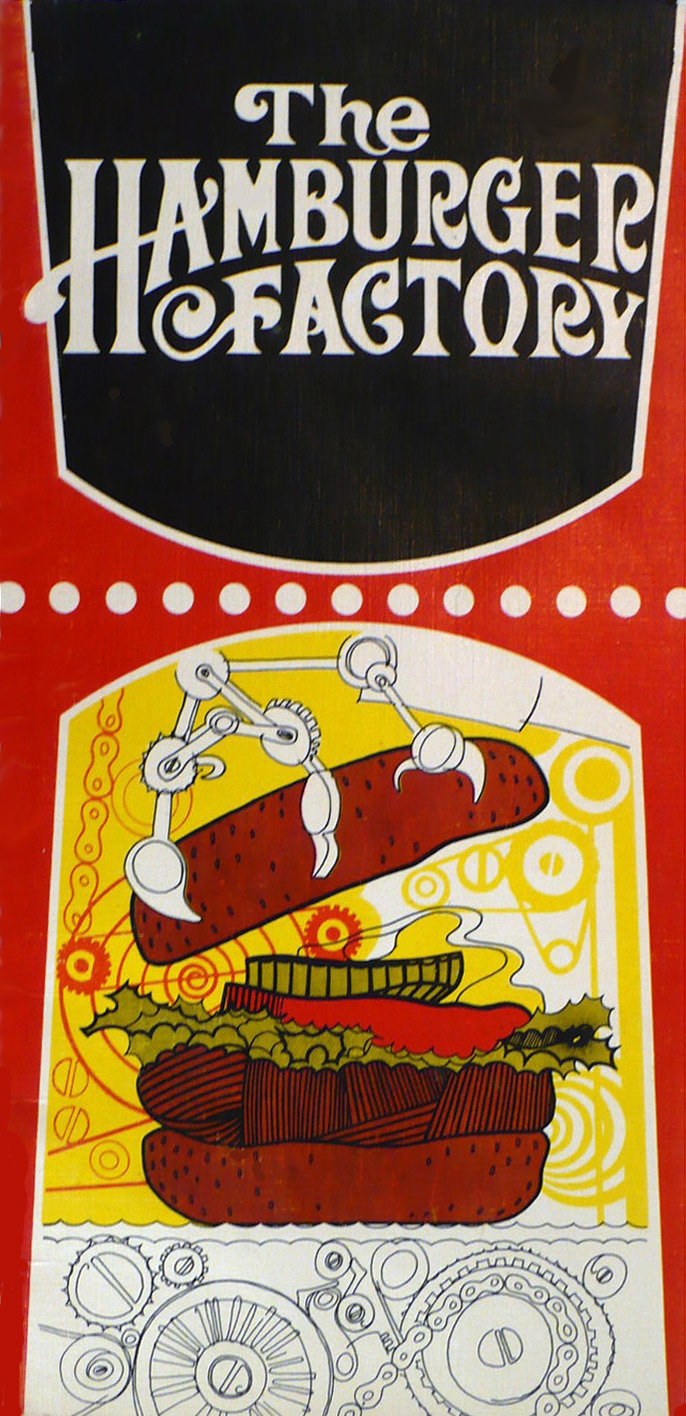
HamburgerFactoryAlong with the chains and a shortage of (cheap) kitchen help, came an upsurge in restaurants’ use of convenience foods and microwaves. In response, municipalities across the country enacted ordinances to protect consumers against false claims on menus, many of them centering on misuse of the words “fresh” and “home-made.”

Yet as the country was swamped with fast food, it experienced the flowering of restaurants specializing in ethnic, artisanal, and natural foods. Hippie and feminist restaurants stressed honest, peasant-style meals. Burgeoning interest in nutrition made salad bars popular. Bean sprouts, zucchini, and more fish showed up on menus. Diners learned that Chinese food was not limited to Cantonese, but might also be Mandarin, Szechuan, or Hunan. Once languishing behind luxurious decor, impeccable service, and famous patrons, food took center stage in deluxe restaurants as they purged Beef Wellington from their repertoire and took up the call for culinary creativity and authenticity.

Though not unknown in earlier decades, the restaurant-as-entertainment-venue came into full flourish with the proliferation of theme restaurants with unbearably cute names such as Orville Bean’s Flying Machine & Fixit Shop. To supplement a shrinking supply of old stained glass windows, telephone booths, and barber chairs, restaurant fixture companies began to manufacture reproduction antiques.

However crazy and mixed up the foodscape, America had become the land of restaurants for every taste and pocketbook.

Highlights

ChezPanissecookbook1971 – In Berkeley CA Alice Waters and friends found Chez Panisse, marking the movement of college and graduate students into the restaurant field, a career choice which is beginning to have cachet.

1972 – NYC’s Le Pavillon, considered the finest French restaurant in the U.S., closes. In Kansas City MO the first Houlihan’s Old Place, adorned with nostalgia-inducing decorative touches, opens, as does Mollie Katzen’s natural-food Moosewood Restaurant in Ithaca NY.

1972 –Dry since 1855, Evanston IL, home of the Women’s Christian Temperance Union, grants liquor licenses to two hotels and six restaurants. Their business doubles in a few months.

1973 – Los Angeles County becomes the first jurisdiction in the country to enact a “truth in menu” ordinance. During the pilot program, the scenic Sea Lion Restaurant in Malibu is caught selling the same fish under five different names with five different prices.

1974 – A Chicago food writer throws cold water on arguments about which restaurant has the best lasagne, asserting that the debaters “might have found that same lasagne in restaurants all over the country” courtesy of Invisible Chef, Armour, or Campbell’s.

1974 – Restaurateur Vincent Sardi spearheads a campaign to get New Yorkers to eat out, claiming that the city’s major restaurants have lost up to 20% of their business in the past two years, thus precipitating the closure of 20 leading restaurants.

1976 – The CEO of restaurant supplier Rykoff says whereas his company once supplied whole tomatoes it now provides diced tomatoes “because the operator just can’t afford to pay someone to cut them up.”

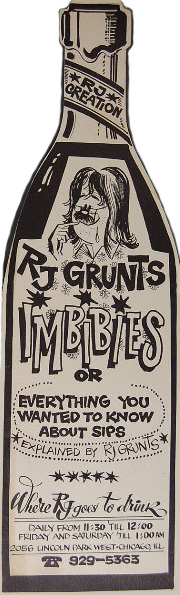
RjGrunts1970s1976 – Richard Melman’s Chicago restaurant company, Lettuce Entertain You Enterprises, operator of RJ Grunts, Great Gritzbe’s Flying Food Show, and Jonathan Livingston Seafood, opens Lawrence of Oregano and prepares to take over the flamboyant Pump Room.

1977 –Industry journal Restaurant Business publishes survey results showing that, on average, husband & wife pairs eat out twice a month, spend $14.75 plus tip, prefer casual restaurants, and tend to order before-dinner cocktails and dishes they don’t get at home. Measured by sales, Lincoln NE is one of the country’s leading cities for eating out.

1977 – Once characterized by blandness, San Diego now has restaurants specializing in cuisines from around the globe, an improvement one observer attributes in part to the new aerospace industry there.

1978 – A reviewer in Columbia MO complains, “A brick floor and pillars, old photos, Tiffany lamps, stained-glass windows and trim on the tops of the booths as well as revolving single-bladed, old-fashioned fans [is] a familiar type of decoration these days and I’m getting a little weary of the sameness of so many restaurants.”

1979 – As the year ends restaurant reviewer Phyllis Richman observes that more people are eating out than ever before, transforming once-lackluster Washington D.C. into “what is known as a Restaurant Town.”

Read about other decades: 1800 to 1810; 1810 to 1820; 1820 to 1830; 1860 to 1870; 1890 to 1900; 1900 to 1910; 1920 to 1930; 1930 to 1940; 1940 to 1950; 1950 to 1960; 1960 to 1970; 1980 to 1990

© Jan Whitaker, 2013

29 Comments

Filed under alternative restaurants, chain restaurants, food, patrons

Basic fare: bread

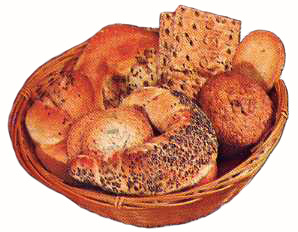
BreadbasketBread has always been basic to restaurants ranging from the lowliest hash house to the most elegant French dining room. This was made evident in 1912, for instance, when Los Angeles drafted a city ordinance permitting no liquor to be served without meals. The ordinance defined a meal as “not costing less than 15 cents, to consist of bread, or equivalent, together with meat, fish, cheese or beans in sufficient quantity to go beyond the question of subterfuge for a meal.”

From the early decades of the 19th century, bread not only accompanied almost every meal, in many cases it was the meal. The most fundamental early eating house meal was bread and coffee or bread and hot milk. When ordering the typical cheap meal of a thin slice of meat accompanied by some potatoes, customers were consoled by the fact that their meal would be filled out with two slices of bread.

In addition to brown bread, i.e., whole wheat bread, restaurant customers could hope for other varieties to pair with their coffee. Waffles and pancakes tended to be classified as breads in those days. In San Francisco in 1858, the Empire State Dining Saloon also served “Mississippi Hot Corn Bread, Hot English Muffins, Hot American Waffles, Hot Hungarian Rolls, Boston Cream Toast, German Bread, and New York Batter Cakes.” After Vienna-style yeast bread was introduced at the 1876 Centennial Exposition in Philadelphia, restaurants associated with bakeries scrambled to hire bakers who could produce this newest sensation.

In order to get their free bread, diners had to order something costing at least 10 cents, as recounted in the comical tale of the hapless diner who asked for bread with a too-small order. The amount of bread given with an order was limited. An 1849 bill of fare from Sweeny’s House of Refreshment in New York City shows 3 cents was the going rate for extra bread.

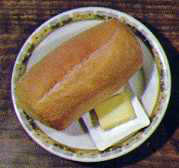
breadRollonplateBread – and butter – were often poor or deliberately adulterated in the 19th and early 20th centuries, so many eating places advertised that they observed quality standards. In the 1880s, cooking teacher Jessup Whitehead almost went apoplectic about the poor quality of baking-powder biscuits often found in low-priced restaurants. He wrote:

Such biscuits are yellow, dirty on the bottom, greasy to the touch; they have rough sides, no edges, for they rise tall and narrowing towards the top; they are wrinkled and freckled and ugly; they will not part into white and eatable flakes or slices, but tumble in brittle crumbs from the fingers, and eat like smoked sawdust.

BreadGingerbreadTeaRoomEven today it is commonplace to form a quick judgment about a restaurant by the quality of its bread. Historically patrons probably fared best if they went to a bakery restaurant that made its own baked goods. Or to a tea room in the early 20th century, many of which made a specialty of raisin, nut, or gingerbread, preferably served hot from the oven. In tea rooms, however, patrons often paid dearly for bread and rolls, usually on an a la carte basis.

By the turn of the century many habitual restaurant-goers had a habit of eating all the bread as soon as it was placed on the table. Etiquette minders disliked this behavior and owners preferred to serve bread only after other dishes were served. Waiters, on the other hand, liked the bread and butter set up because it enabled them to serve more guests who, with something to nibble on, were less impatient for their orders.

Not all eating places did their own baking even in the 19th century, and the number that did was drastically reduced by the mid-20th. As few as 6% of all restaurants did their own baking by 1952. However, the advent of frozen bread made “Doing our own baking” a common advertising claim in the 1960s. That decade also saw a spread in the novelty of individual loaves of bread served on a carving board, made possible by in part by frozen doughs, loaves, and rolls.

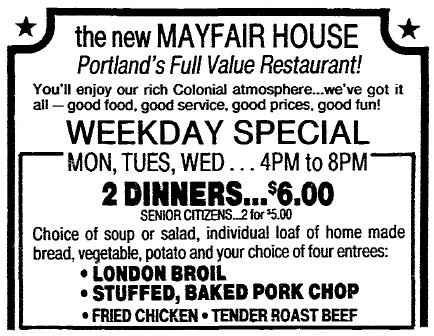
BreadADVPortlandOR1976As popular as the “cute” little loaves were for a time, discriminating patrons rejected them as mushy and tasteless. The counterculture preferred heavier whole grain breads, which soon made their way into restaurants such as Sausalito’s Trident. On a ca. 1968 menu, the rather high price charged for a basket of rolls was justified as follows: “Our rolls are hand baked for us daily using only the purest ingredients: finest organic grains, fertile eggs, organically grown onions & raisins, raw butter, oils & honey.”

© Jan Whitaker, 2013

8 Comments

Filed under food

“Adult” restaurants

Anyone who knows American culture realizes immediately that the term “adult restaurant” would not even remotely imply an eating place that caters to mature or developed culinary tastes. Instead it would mean one deemed inappropriate for children because of some kind of sexually tinged goings on.

Historically the attractions in adult restaurants have not been what’s on the plate but are part of the female servers’ anatomy.

An unfamiliar restaurant concept to me is the “adult fast food restaurant.” This is how a Florida drive-in owner referred to his business in 1976. It didn’t serve adult fast food – what would that be? Crêpes? It served hot dogs, hamburgers, beer, and, oddly, wine. The manager called it “our answer to MacDonald’s,” reflecting the fierce competition drive-ins faced from big chains in the 1970s.

The “adult” aspect: servers at the “Jugs ‘n’ Suds” drive-in were costumed only in hot pants and tassles.

However, Jugs ‘n’ Suds waitresses got very little chance to “wear” their intended costume. The drive-in met with vehement disapproval from citizens and officials of New Port Richey who insisted that the waitresses cover up. One of the restaurant’s promoters admitted that business fell off once apron-like halter tops were adopted, saying “People aren’t as interested in seeing a topless waitress with fringe on.” [pictured] In very short order the drive-in closed. A second one – without carhops — then opened in an old A&W. I don’t think it lasted long. A fantasized  nationwide chain never materialized.

Jugs ‘n’ Suds was unusual in that it was a drive-in. Most topless restaurants have been positioned at the “nightclub” end of the restaurant spectrum. Typically they’ve been dark, bar-like spaces where business men congregate at noon and after work.

California was the birthplace of the topless restaurant with the pioneers opening in 1965 not long after the creation of Rudi Gernrich’s topless bathing suit. Many offered a business man’s lunch special accompanied by models strolling from table to table. In California, at Long Beach’s Kozy Kitten, kittens ambled while patrons downed 98c luncheons of Turkey, Ham, or Beef served with Potato Salad and Beans. (I didn’t say topless restaurants were glamorous.)

The topless restaurant fad, which combined gawking, drinking, AND eating, died out, but using women’s anatomy to attract restaurant patrons did not. Maybe it’s eternal. Even as the last Playboy bunny club closed in the 1988, a new crop of “breastaurants” (as they are mockingly known by critics) appeared, most of them flaunting scantily dressed servers. Following the success of Hooters, a slew of knock-offs opened in Florida, among them the so preciously named Melons, Knockers, and Mugs & Jugs.

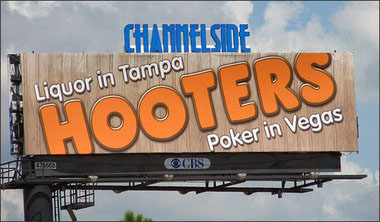
Controversy is also eternal. Hooters’ aggressively suggestive advertising campaign has offended many and the chain was forced to remove billboards that hinted servers were prostitutes, an idea that, depressingly, has plagued female servers since the 19th century.

Legal challenges to topless restaurants and breastaurants have mostly not held up. But communities protest them anyway, occasionally successfully. Recently the Quincy MA Licensing Board denied permission to a unit of the Tilted Kilt chain because it was too close to a church that objected.

© Jan Whitaker, 2012

7 Comments

Filed under drive-ins, food, women